
- Cultural Expression: Art and crafts are vital forms of cultural expression. Innovation allows artists and craftsmen to explore new themes, techniques, and materials, reflecting contemporary issues and evolving cultural narratives. This keeps the art relevant and engaging for audiences.
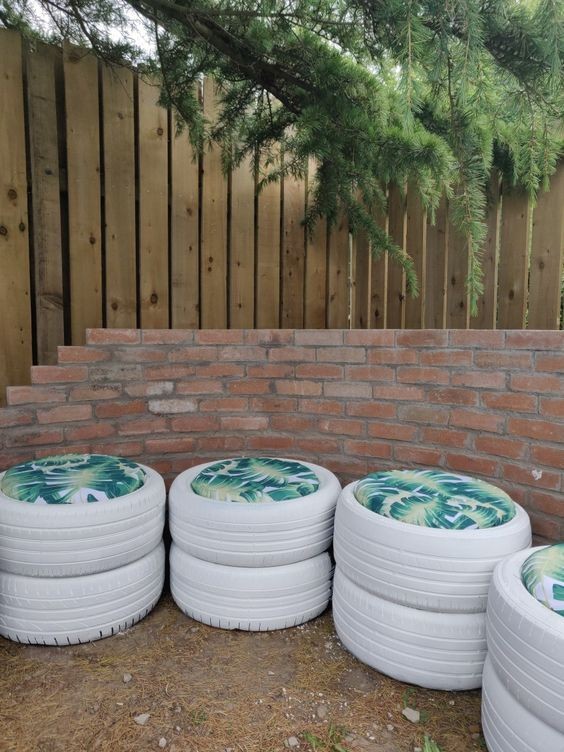
- Sustainability: Innovative practices in art and crafts can lead to the use of sustainable materials and processes. By incorporating recycled materials or eco-friendly techniques, artists can contribute to environmental conservation while also appealing to a growing market of eco-conscious consumers.
- Market Differentiation: In a competitive market, innovation helps artists and craftspeople stand out. Unique designs, novel techniques, or the integration of technology can attract attention and create a distinct brand identity, leading to increased sales and recognition.
- Enhanced Functionality: Innovation can improve the functionality of art and crafts products. For example, integrating technology into traditional crafts can create interactive or multifunctional pieces, appealing to modern consumers who value both aesthetics and utility.
- Collaboration and Cross-Pollination: Innovative art and crafts often emerge from collaboration between different disciplines. Artists may work with technologists, designers, or scientists, leading to new ideas and products that push the boundaries of traditional art forms.
- Community Engagement: Innovative art projects can engage communities in new ways, fostering collaboration and participation. This can lead to community development, social change, and a stronger sense of identity and belonging.
- Economic Growth: The art and crafts sector can significantly contribute to local and national economies. Innovation can lead to the development of new markets, job creation, and increased tourism, particularly in regions known for their artistic heritage.
- Education and Skill Development: Innovation in art and crafts encourages the development of new skills and educational opportunities. Workshops, classes, and online platforms can teach innovative techniques, helping to nurture the next generation of artists and craftsmen.
- Emotional and Psychological Benefits: Engaging with innovative art and crafts can provide emotional and psychological benefits to both creators and consumers. It can inspire creativity, promote mindfulness, and serve as a form of therapy, enhancing overall well-being.
- Global Connectivity: The internet and social media have transformed how art and crafts are shared and sold. Innovation in digital platforms allows artists to reach global audiences, fostering cross-cultural exchanges and collaborations that enrich the art world.

Nela Kahle Art and Crafts
passionate about unlocking creativity and fostering community growth.

Nela Kahle Art and crafts
Website: https://nelakahle.co.za/blog
Nela Kahle Art and Crafts is a business based in Durban, South Africa, focused on community empowerment through art and crafts skills development. They operate as a registered training provider. Here's a breakdown of what they do: * Skills Development: They offer training in various art and craft techniques, with a significant focus on beadwork, as seen in their social media content and YouTube channel. They also provide training in wire weaving and coiling. * Community Empowerment: A core mission is to empower rural communities by providing skills that can lead to economic opportunities. * Product Development: They are involved in creating and potentially distributing art and craft products. Examples include telephone wire recycled baskets and placemats. * Support Services: Beyond training, they offer services like capacity building, coaching, mentoring, warehousing, marketing, and distribution to support the artisans they work with. * Online Presence: Nela Kahle Art and Crafts has a presence on various online platforms, including: * TikTok: Where they share videos showcasing beadwork and other crafts (@nelakahleartandcrafts). * Pinterest: Where they share images of various crafts, tutorials, and aspects of South African art and culture (NelaKahleartcraft). * YouTube: With a channel dedicated to skill development in arts and crafts (Nela Kahle Art And Crafts skill development). * Peek: An online marketplace where they list some of their products (Nela Kahle Art And Craft - Peek). * They also appear to have a website (nelakahleartandcrafts.co.za), although it is currently temporarily unavailable. They also have a catalog available via WhatsApp (Nela Kahle art and crafts). In summary, Nela Kahle Art and Crafts is an organization in South Africa that not only produces and sells art and craft items but also actively trains and supports individuals within communities to develop their artistic skills for economic empowerment. Their focus appears to be strongly rooted in traditional crafts like beadwork and the innovative use of materials like telephone wire.
Leave a Reply